
Teeth Whitening at Swiss Quality Smile in Los Angeles CA
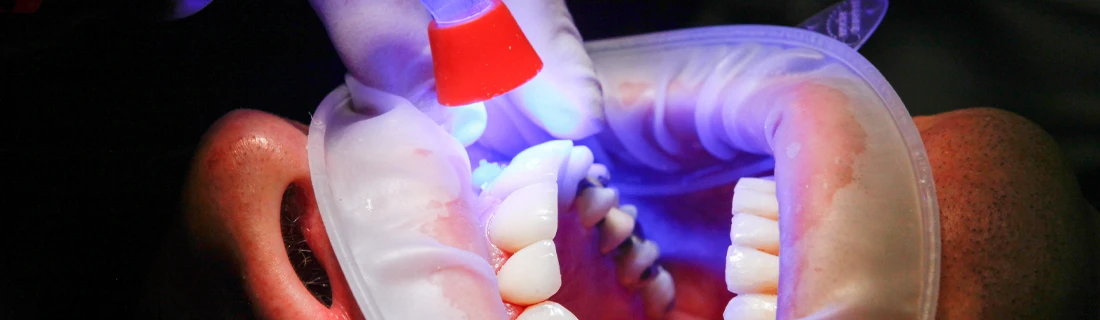
Everyday foods, drinks, aging, and certain habits can leave your teeth looking stained or dull. At Swiss Quality Smile, professional teeth whitening offers a controlled way to brighten your smile in Los Angeles CA while considering your individual needs. Our team evaluates your teeth before treatment and recommends the whitening option best suited to deliver noticeable, natural-looking results.
How Professional Teeth Whitening Removes Deep Stains and Discoloration in Los Angeles CA
Professional teeth whitening lightens stains that make teeth look dull, yellow, or darker than you’d like. Dental cleaning removes plaque and surface buildup; whitening works differently, using a special gel that targets color changes within the outer layers of your natural teeth.
The gel’s active ingredients enter the enamel and react with stain molecules, breaking down darker compounds. The result: teeth reflect more light and look brighter, without removing any tooth structure.
Professional whitening can help with discoloration caused by:
- Frequent coffee, tea, cola, or red wine consumption
- Tobacco use, including smoking and chewing tobacco
- Natural changes in tooth color linked to aging
- Strongly colored foods and drinks
- Some yellow or brown enamel stains
Results vary, because not every stain responds the same way. Yellow tones tend to lighten easily, while gray discoloration, fluorosis, or medication-related stains may need a different cosmetic approach.
Crowns, veneers, fillings, and other tooth-colored restorations don’t whiten like natural enamel. At Swiss Quality Smile, we evaluate the source of your discoloration and current oral condition before recommending the right whitening approach.
What Happens During an In-Office Teeth Whitening Appointment
An in-office whitening appointment follows a controlled process designed to brighten your natural teeth in a single, relatively short visit. Before treatment starts, the dentist examines your teeth and gums for decay, exposed roots, damaged enamel, or active gum irritation.
Your current tooth shade is recorded for comparison after treatment, and protective materials are placed around the gums and soft tissues to limit contact with the whitening gel.
The main stages often include:
- Preparing and drying the tooth surfaces
- Protecting the gums, lips, and nearby tissues
- Applying professional-strength whitening gel
- Using a special light when required by the system
- Leaving the gel in place for controlled intervals
- Repeating treatment cycles when appropriate
The active ingredients work on stain compounds within the enamel during each cycle. Depending on the system and your starting shade, treatment often wraps up in about an hour.
Some people experience temporary sensitivity during or after whitening. At Swiss Quality Smile, we pay close attention to tissue protection, treatment timing, tooth condition, and your individual sensitivity throughout the process.
Common Causes of Tooth Discoloration and Changes in Tooth Shade
Tooth color can change for many reasons, and the cause often determines how well whitening works. Some discoloration develops on the enamel surface; other changes begin within the tooth and can be harder to lighten.
Dark-colored foods and drinks are common culprits. Coffee, tea, red wine, cola, berries, and strongly pigmented sauces can leave color compounds on your enamel, especially with frequent use.
Other causes of discoloration include:
- Smoking, chewing tobacco, and other tobacco use
- Natural enamel changes linked to aging
- Plaque and tartar buildup from poor oral hygiene
- Certain medications taken during tooth development
- Excess fluoride exposure that may cause fluorosis
- Dental injuries that change internal tooth color
- Some illnesses or medical treatments
As we age, enamel tends to thin and become more transparent, which makes the naturally yellow dentin underneath more visible. Teeth can look darker even when they’re perfectly clean.
How Professional Whitening Differs From Store-Bought Whitening Products
Professional whitening and store-bought products both aim to brighten teeth, but they differ in strength, supervision, control, and results. Over-the-counter options include whitening strips, toothpastes, rinses, gels, and tray systems made for general home use. Professional treatment, by contrast, starts with an evaluation of your teeth and gums — untreated cavities, gum irritation, exposed roots, or cracked teeth can all affect comfort and whether whitening is even appropriate.
In-office treatment uses professional-grade materials under dental supervision, with whitening gel applied carefully to selected tooth surfaces and protective barriers limiting contact with gums and nearby tissues. Store-bought products take a one-size-fits-all approach that doesn’t always match your tooth shape or stain pattern — strips can miss curved areas, and trays can lead to uneven gel contact and inconsistent coverage.
Because the process is closely controlled, professional whitening can create a more noticeable shade change in less time. Home products usually require repeated use over several days or weeks. Neither option changes the color of crowns, veneers, fillings, or other dental restorations. The right choice depends on your oral health, sensitivity, stain type, desired shade change, and expectations.
Who May Be a Good Candidate for Professional Teeth Whitening
Professional whitening can suit many adults who want to reduce visible staining on natural teeth. That said, oral health, existing dental work, sensitivity, and the cause of discoloration all affect whether it’s the right fit and what results to expect.
Good candidates generally have healthy teeth and gums, with stains likely to respond to whitening agents. Yellow or brown discoloration from foods, drinks, tobacco, or aging tends to respond better than gray or deep internal stains.
Several factors are considered before treatment:
- Untreated cavities or active tooth decay
- Gum inflammation or bleeding
- Cracks, worn enamel, or exposed roots
- A history of strong tooth sensitivity
- Existing crowns, veneers, bonding, or fillings
- The location and likely cause of discoloration
- Previous whitening treatments and results
Whitening gel changes the shade of natural teeth, not dental materials — so people with visible crowns or veneers may notice an uneven shade after treatment.
Whitening Results, Treatment Limits, and Future Touch-Ups
Teeth whitening can noticeably improve tooth shade, but results vary from person to person. Starting tooth color, stain type, enamel condition, age, and previous dental work all influence how much lightening occurs. Professional whitening tends to work well on yellow staining linked to foods, drinks, tobacco, or aging, while gray stains, severe fluorosis, deep internal discoloration, and some medication-related changes may show limited improvement.
Whitening won’t change the shade of crowns, veneers, fillings, bonding materials, bridges, or implant restorations — these materials keep their existing color even as nearby natural teeth get lighter. And results aren’t permanent, since teeth pick up new stains from daily habits and natural changes over time.
Coffee, tea, red wine, tobacco, dark sauces, and strongly colored foods can all shorten how long the brighter shade lasts. Some people opt for touch-up treatments once discoloration becomes noticeable again — the right timing depends on diet, tobacco use, oral hygiene, enamel characteristics, and previous treatment.
Repeated whitening should be planned carefully, since excessive or incorrect use can increase sensitivity or irritate gum tissue. Future treatment takes into account your current tooth shade, oral health, previous results, and sensitivity.
Meet Your Doctor
Ilona Casellini
Payment and Insurance
Getting the dental care you need should come with clear payment options. We accept insurance and offer several ways to pay, including cash, checks, and credit cards. Qualified patients can also use CareCredit financing to divide eligible costs into manageable monthly payments.
Reserve Your Spot Today!
Ready to brighten stained or discolored teeth with professional care? Contact Swiss Quality Smile to schedule your teeth whitening appointment. Call us today or visit our office.
Contact Information:
Swiss Quality Smile
10921 Wilshire Blvd #1013
Phone: (310) 208-3125