
Oral Cancer Screening at Swiss Quality Smile in Los Angeles CA
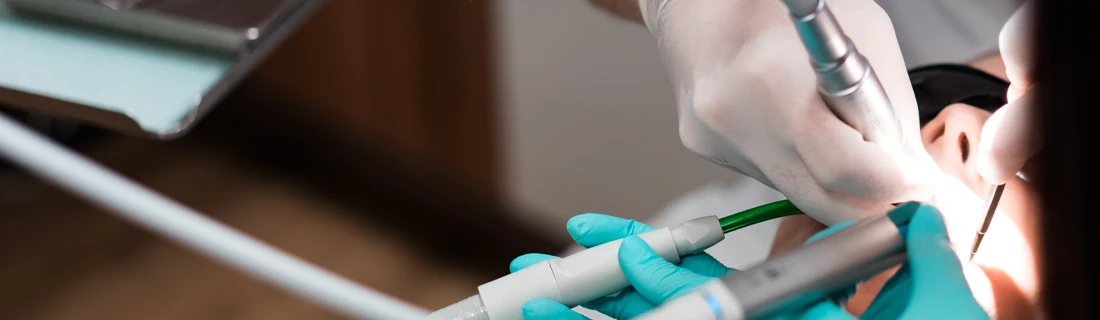
Oral cancer can develop in the lips, tongue, cheeks, throat, and other tissues inside the mouth — often without clear early symptoms. At Swiss Quality Smile, oral cancer screenings help catch unusual changes before they need urgent attention. Our team performs careful examinations in Los Angeles CA as part of a proactive approach to protecting your long-term oral health.
Why Early Detection Is Critical in Oral Cancer Screening in Los Angeles CA
Oral cancer can affect the lips, tongue, cheeks, floor of the mouth, throat, sinuses, and hard or soft palate. In its early stages, it may cause only minor changes — easy to miss without a professional screening. Early detection matters because oral cancer is usually easier to treat before it reaches an advanced stage.
Treatment also tends to be less complex when cancer is limited to a small area and hasn’t spread to nearby tissues, lymph nodes, or elsewhere in the body. Some early changes cause little pain or discomfort, which can lead people to put off seeking care. A small patch, sore, lump, or unusual spot can look harmless but still deserve a closer look.
Regular screenings create opportunities to catch suspicious changes before they become more serious. A screening doesn’t confirm cancer — it simply helps determine whether an abnormal area should be monitored, tested, or referred for further examination.
At Swiss Quality Smile, we include oral cancer screening as part of preventive dental care, so we can catch concerning abnormalities at the earliest possible stage.
Areas of the Mouth and Throat Examined During a Screening
Oral cancer screening involves more than checking your teeth and gums, since the disease can develop in several areas of the mouth and nearby structures. A careful examination looks for unusual tissue changes, swelling, sores, discoloration, and other findings.
During the screening, we examine several areas, including:
- Lips and inner cheeks: Checked for sores, thickened tissue, rough patches, or unusual color changes.
- Tongue: The top, sides, and underside are examined for abnormal tissue.
- Floor and roof of the mouth: Checked for lumps, patches, and other changes.
- Gums: Reviewed for unusual swelling, bleeding areas, or persistent lesions.
- Throat and nearby tissues: Visible areas are examined for concerning changes.
The dentist may also gently feel the mouth, jaw, and neck to check for unusual lumps or enlarged tissue. Combining visual inspection with a physical exam gives a broader picture.
Examining multiple areas matters because suspicious changes aren’t always easy to spot. A complete screening can catch abnormalities that might otherwise go unnoticed.
Warning Signs and Symptoms That May Require Further Evaluation
Oral cancer doesn’t always cause clear symptoms in its earliest stages, but certain changes shouldn’t be ignored. Some symptoms may be linked to noncancerous conditions — still, professional evaluation matters when a problem lingers or has no clear explanation.
Warning signs that may require further examination include:
- A mouth sore that does not heal within about two weeks
- Unexplained bleeding in the mouth
- Red, white, or mixed red-and-white patches
- A lump, bump, thickened area, or rough spot
- Persistent pain or numbness in the mouth, face, or neck
- Difficulty chewing, speaking, or swallowing
- A lasting sore throat
- Unexplained ear pain
- Changes in how the teeth or dentures fit together
These symptoms don’t automatically mean oral cancer is present — infections, injuries, irritation, and other conditions can cause similar problems. Proper examination is the only way to understand the cause.
A sore or unusual patch that doesn’t improve should be assessed, not ignored. At Swiss Quality Smile, we encourage patients to report persistent or unexplained changes so we can examine the area and recommend next steps.
How ViziLite Pro Technology Helps Identify Abnormal Oral Tissue
Technology can support a detailed oral cancer screening by helping dental professionals examine tissue changes that deserve closer attention. ViziLite Pro is one such system, designed to help identify suspicious abnormalities in the mouth during a professional exam.
The process starts with a standard visual and physical evaluation of oral tissues. ViziLite Pro adds another layer of support for examining anything that looks unusual, helping the dentist assess tissue more carefully instead of relying on a routine visual check alone.
This technology is useful because early abnormal changes can be subtle. Some areas cause no pain, bleeding, or noticeable symptoms, so a patient may have no idea a tissue change is even there.
ViziLite Pro doesn’t provide a final cancer diagnosis on its own. Instead, it serves as a screening aid, helping identify areas that may need further observation, testing, referral, or biopsy based on the dentist’s professional judgment.
Pairing advanced screening technology with a complete dental exam adds another layer to the evaluation process. If suspicious tissue turns up, the dentist will explain the finding and walk you through the next steps.
What Happens During a Routine Oral Cancer Screening Appointment
An oral cancer screening is usually just a simple part of your dental visit — it doesn’t require a separate, complex procedure. The goal is to examine the mouth and nearby areas for changes that might suggest abnormal tissue.
A typical screening may include:
- Review of concerns: The dental team may ask about sores, pain, numbness, or swallowing problems.
- Visual examination: The dentist checks the lips, cheeks, gums, tongue, and other oral tissues.
- Tissue assessment: Red or white patches, sores, rough areas, and unusual growths receive closer attention.
- Physical examination: The dentist may gently feel the mouth, jaw, or neck for lumps or swelling.
- Additional screening support: Advanced technology may be used when appropriate.
Most screenings involve no injections or surgical procedures. And if an unusual area turns up, that doesn’t automatically mean cancer — many oral changes have other, less serious causes.
Risk Factors That May Increase the Chance of Developing Oral Cancer
Anyone can develop oral cancer, but certain factors raise the odds. Knowing these risks explains why regular screening matters, even for people with no pain or visible changes. Tobacco use is a major risk factor, covering cigarettes, cigars, pipes, chewing tobacco, and similar products. Heavy alcohol use raises risk too, especially when combined with tobacco.
Certain strains of human papillomavirus (HPV) are linked to cancers in parts of the throat and nearby tissues. Age plays a role too — oral cancer is more common in older adults, though younger people can still develop it. Long-term sun exposure can raise the risk of cancer affecting the lips.
A previous history of oral cancer or certain other cancers can also raise risk, which is why continued evaluation matters. Having one or more risk factors doesn’t mean you’ll develop oral cancer, and having none doesn’t guarantee protection. That’s why routine screening stays valuable — it looks at actual tissue changes and suspicious findings, not just risk factors on paper.
Meet Your Doctor
Ilona Casellini
Payment and Insurance
Our clinic offers convenient payment choices to make things easier for patients. We accept insurance, along with cash, checks, and major credit cards. CareCredit financing is also available for qualified patients who need another option. Our team is happy to walk you through payment methods before treatment begins.
Schedule Your Appointment Today!
Looking for a simple way to support early detection of unusual oral changes? Contact Swiss Quality Smile to arrange your oral cancer screening. Call us today or visit our office.
Contact Information:
Swiss Quality Smile
10921 Wilshire Blvd #1013
Phone: (310) 208-3125